Germany
Great Dane
The Apollo of Dogs
All Breed Guides
Authoritative guidance for pet guardians of all breeds — breed-specific care protocols, life stage nutrition, and the knowledge to give your companion the fullest life possible.
Life Stage Care
Pet care evolves dramatically across their life. Select a stage to explore tailored protocols.
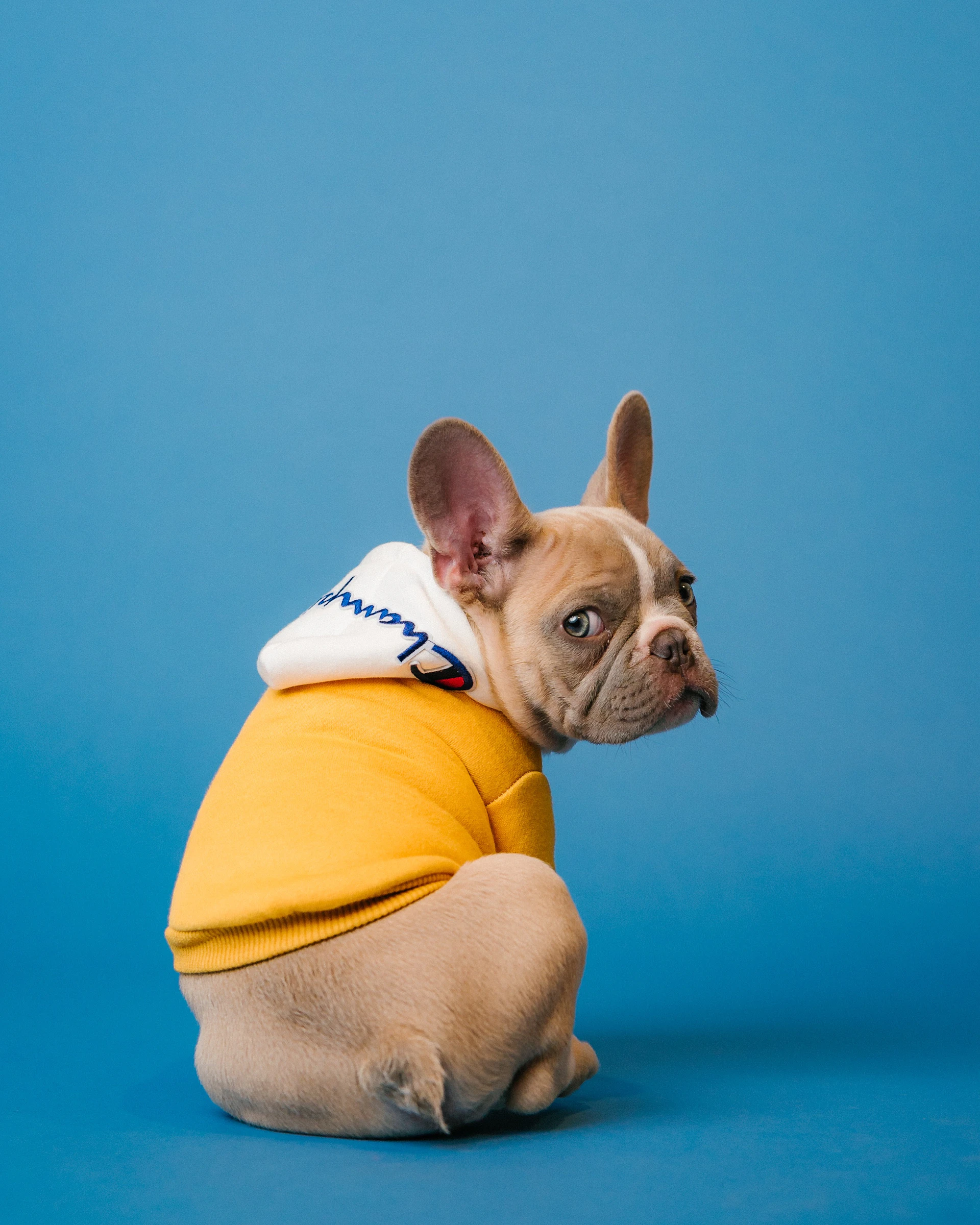
Measured Growth, Maximum Potential
Giant breed puppies grow at extraordinary rates — but faster is not better. Controlled growth that avoids over-nutrition is the single most important investment in long-term skeletal health.
Nutrition
Avoid generic puppy foods — their excess calcium disrupts bone mineralisation in giant breeds. Look for formulas specifically labelled for large or giant breed puppies with a DM calcium content of 1.0–1.5%.
Exercise
The 5-minute rule: 5 minutes of structured exercise per month of age, twice daily. A 4-month-old puppy needs 20 minutes maximum. No jumping, stair-running, or forced jogging until 18 months.
Veterinary
Hip and elbow evaluation at 12 months. OFA preliminary radiographs can be taken before final certification at 24 months. Discuss spay/neuter timing carefully — earlier surgery is associated with higher orthopaedic risk in giant breeds.
Breed Profiles
Beloved breeds — and what makes each uniquely extraordinary to care for.
Germany
The Apollo of Dogs

Switzerland
The Noble Rescuer

Canada
The Gentle Giant

Ireland
The Velvet-Pawed Warrior

Switzerland
The Alpine Companion
Hover over each breed to reveal key characteristics and care priorities.
Feeding Guide
Daily caloric targets and supplement stacks calibrated for metabolic needs across all breeds.
| Weight Class | Daily Calories | Daily Portion | Key Supplement Stack |
|---|---|---|---|
| 30–50 kg | 1,500–1,900 kcal | 3 – 4 cups | Glucosamine · Omega-3 |
| 50–70 kg | 1,900–2,400 kcal | 4 – 5 cups | Glucosamine · Omega-3 · MSM |
| 70–90 kg | 2,400–3,200 kcal | 5 – 6½ cups | Full Joint Complex · CoQ10 |
| 90–120 kg | 3,200–4,200 kcal | 6½ – 8½ cups | Full Joint Complex · CoQ10 · Probiotics |
| 120 kg+ | 4,200–6,000+ kcal | 8½ cups+ | Maximum Joint Complex · Cardiac Support |
30–50 kg
Calories
1,500–1,900 kcal
Portion
3 – 4 cups
Supplements
Glucosamine · Omega-3
50–70 kg
Calories
1,900–2,400 kcal
Portion
4 – 5 cups
Supplements
Glucosamine · Omega-3 · MSM
70–90 kg
Calories
2,400–3,200 kcal
Portion
5 – 6½ cups
Supplements
Full Joint Complex · CoQ10
90–120 kg
Calories
3,200–4,200 kcal
Portion
6½ – 8½ cups
Supplements
Full Joint Complex · CoQ10 · Probiotics
120 kg+
Calories
4,200–6,000+ kcal
Portion
8½ cups+
Supplements
Maximum Joint Complex · Cardiac Support
Portions are guidelines based on moderate activity levels. Adjust based on body condition score, metabolic rate, and veterinary guidance. Weigh food for accuracy — volume measures can vary by up to 30%.
Common Questions
Answers to the questions every pet guardian eventually asks — drawn from 15 years of hands-on experience.
Gastric Dilatation-Volvulus is a life-threatening emergency where the stomach fills with gas and twists. Giant breeds with deep, narrow chests are at highest risk. Prevention: feed two smaller meals rather than one large one, use a slow-feeder bowl, restrict vigorous exercise for 2 hours before and after meals, and discuss prophylactic gastropexy with your vet — a one-time procedure that tacks the stomach to prevent rotation.
Most giant breeds reach skeletal maturity between 18 and 24 months — significantly later than small breeds (which finish at 8–12 months). Growth plates remain open and vulnerable until closure. Avoid calcium supplementation, high-calorie overfeeding, and high-impact exercise during this period as all three have been linked to developmental orthopaedic disease.
Daily caloric needs vary with weight, activity level, and metabolism. As a starting point, use our feeding guide above. Weigh food accurately — scooping by eye can result in 30–50% overfeeding. Assess body condition score monthly: you should feel (but not prominently see) the ribs, and the dog should have a visible waist when viewed from above.
The core stack for most breeds includes glucosamine hydrochloride (500–1,000mg per 10kg body weight), chondroitin sulfate, and omega-3 fatty acids (EPA + DHA from fish oil). For breeds predisposed to joint disease, MSM adds anti-inflammatory benefit. Vitamin D3 is commonly deficient. Probiotics support gut health and immune function. Always consult your vet before beginning a supplement protocol.
Adult giant breeds typically need 45–90 minutes of moderate activity daily, split across at least two sessions. Swimming is excellent — full cardiovascular benefit with zero joint impact. Avoid prolonged running on concrete, repetitive jumping, and forced exercise in heat. Puppies need the 5-minute rule: 5 minutes of structured exercise per month of age, twice daily, until growth plates close.
The inverse relationship between body size and lifespan in dogs is well-documented. Giant breeds appear to age at an accelerated rate — their organs are under greater metabolic stress, and their increased cell turnover raises the risk of cancer. Research suggests that premium nutrition, weight management, regular veterinary screening, and the avoidance of unnecessary steroid treatment can meaningfully extend healthy lifespan.
Common signs include reluctance to rise, a "bunny hop" gait, decreased activity, and a narrow hind-end stance. However, many dogs with radiographic hip dysplasia show no clinical signs for years. Formal diagnosis requires pelvic radiographs under sedation. The OFA (Orthopedic Foundation for Animals) and PennHIP systems are the gold standard evaluations. Discuss screening with your vet at 24 months.
Tailored for Your Breed
Our complete collection of nutrition, supplements, and accessories — formulated with the specific demands of all breeds in mind.